
Last updated November 17, 2026
Spray Foam Insulation Troubleshooting: Common Problems and How to Fix Them
Spray foam that smells like fish or ammonia weeks after installation isn’t curing – it was applied off-ratio, meaning the A and B components weren’t mixed at the correct 1:1 proportion, and unreacted amine compounds are still off-gassing into living space. That smell isn’t a nuisance you wait out. It’s a chemical signature that tells you exactly which failure mode you’re dealing with. In our experience across Boulder City homes, most callbacks – shrinkage, delamination, persistent odor, soft spots, air leaks that never went away – trace to three installation variables: mix ratio, substrate temperature at application, and whether the air was sealed before the foam went in. This guide gives you the vocabulary and inspection sequence to figure out which one you’re facing before you call anyone, and what documentation to ask for when you do.
Quick Answer
Most spray foam problems fall into three buckets: off-ratio mixing (yellow-orange color, tacky surface, amine smell), cold-substrate application (soft or crumbly closed-cell foam), and foam sprayed over unsealed air bypasses (smaller-than-expected blower-door improvement). Diagnosing which one you have determines whether you need surface repair, targeted removal, or a full tear-out – and the paperwork from your original installer decides whether your warranty is worth anything.
Table of Contents
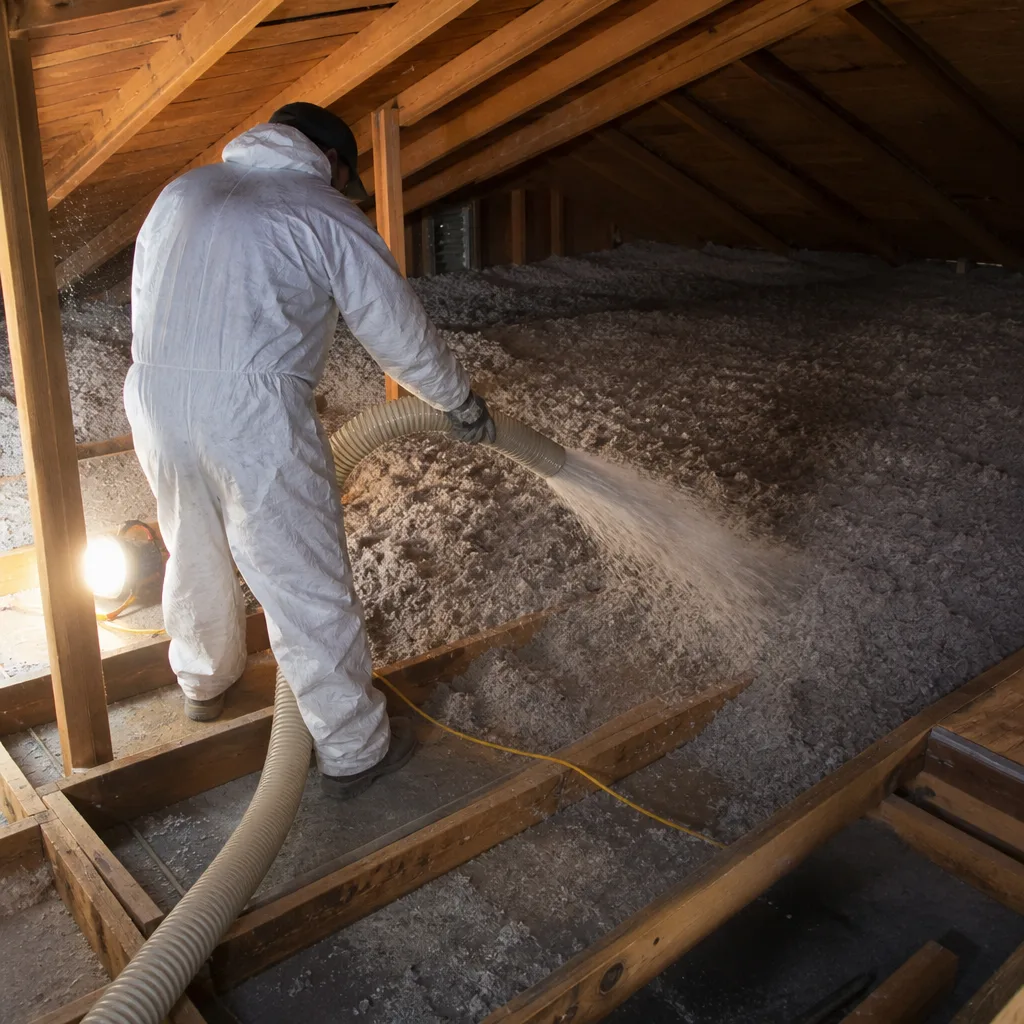
- Problem 1: Off-Ratio Foam – Odor, Color Shift, and Sticky Surfaces
- Problem 2: Shrinkage vs. Delamination – Two Failures, Two Fixes
- Problem 3: Soft or Crumbly Closed-Cell Foam From Cold Substrate
- Problem 4: Foam Over Unsealed Air Bypasses – The Blower-Door Tell
- The 7-Step Inspection Sequence Homeowners Can Run
- What Documentation to Demand Before Authorizing Repairs
- Why Boulder City’s Climate Makes Foam Failures Harder to Spot
- Repair vs. Remove: How the Decision Actually Gets Made
Problem 1: Off-Ratio Foam – Odor, Color Shift, and Sticky Surfaces
Two-component spray foam is a chemical reaction. The A side (isocyanate) and the B side (polyol resin, catalysts, blowing agents) must meet at a near-exact 1:1 ratio at the gun tip. When the proportion drifts – a clogged screen, a drum running low, a proportioner with a bad pump, a cold B-side drum that won’t flow right – you get foam that never fully cures. Icynene and Demilec systems are both designed around tight ratio tolerances, and a few percentage points off is enough to leave unreacted chemistry behind.
Here’s how to identify it:
- Color: Properly mixed foam is uniform cream to light tan. Off-ratio foam shifts toward yellow-orange or a mottled, uneven patchwork where one side ran rich.
- Surface feel: A tacky surface that never hardens, even weeks later, is the classic off-ratio signature. Press a gloved thumb in. If it leaves a print and sticks, that’s not “still curing.”
- Odor: The specific smell of unreacted amines is often described as fishy, ammonia-like, or vaguely chemical. It’s different from the mild “new foam” smell that fades within days of a proper install.
- Bubbling or blisters: Trapped gas escaping through a skin that set before the interior finished reacting.
Off-ratio foam is not a surface-fixable problem in most cases. The unreacted chemistry sits inside the foam, and trimming the tacky skin off doesn’t remove the source of the off-gassing. Removal and reapplication is usually the answer. If the off-gassing is reaching living space in a Boulder City home, don’t run the HVAC in a way that pulls attic or crawl space air into the house while you sort it out.
Problem 2: Shrinkage vs. Delamination – Two Failures, Two Fixes
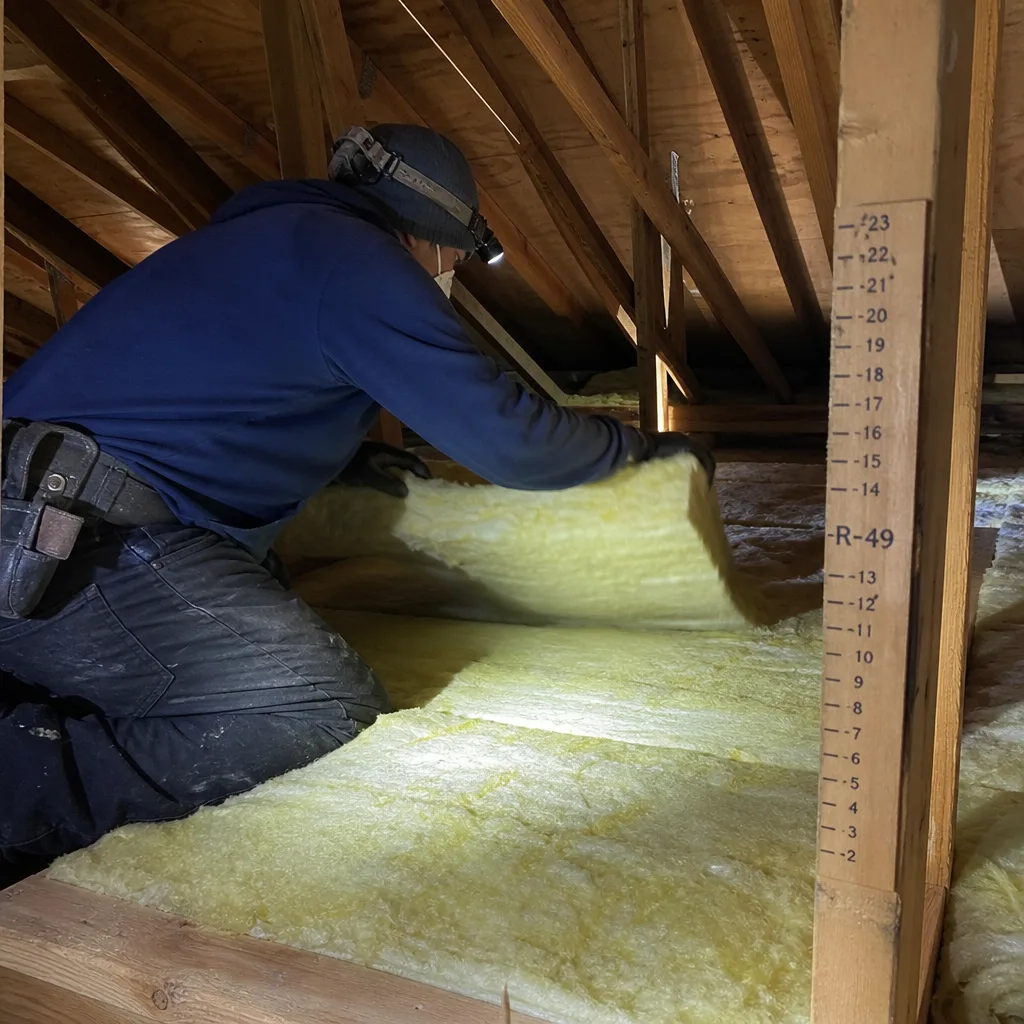
Homeowners often use these interchangeably. They shouldn’t, because the repairs are different.
Shrinkage is the foam pulling away from framing or sheathing as it cures and settles. You’ll see gaps at the perimeter of a cavity – a visible line of daylight between foam and stud, or foam pulled back from the roof deck. Shrinkage is most common with certain open-cell and older closed-cell formulations, and it’s aggravated by large temperature swings during the cure window.
Delamination is the foam detaching as a slab from the substrate it was sprayed against. It usually means the substrate was dirty, dusty, wet, or the wrong temperature when the foam went down – foam bonds best to clean, dry, warm surfaces. You can test for it by pressing firmly on a section: if the foam moves away from the substrate as a unit, or if you can slip a putty knife behind it, the bond has failed.
Which requires full removal?
- Shrinkage with intact adhesion: Often repairable. The gap can be filled with fresh foam or sealed with caulk and air-sealed, provided the underlying foam is fully cured and stable.
- Delamination in a cavity: Targeted removal of the affected section, then reapplication to properly prepared substrate. The rest can stay if it passes an adhesion test.
- Delamination across a broad area or in a critical assembly (roof deck, rim joist): Full removal. You can’t reliably seal over foam that no longer touches the surface it was supposed to insulate.
For a fuller picture of how spray foam fits into a Boulder City whole-envelope plan, see our page on Spray Foam Insulation in Boulder City.
Problem 3: Soft or Crumbly Closed-Cell Foam From Cold Substrate
Closed-cell foam needs substrate temperature within a working range – both the material and the surface it’s sprayed onto. Below the manufacturer’s minimum, the reaction produces foam that looks right on the surface but is structurally wrong: soft, crumbly, or friable inside, with poor adhesion and reduced density. Icynene and Demilec systems publish minimum substrate temperatures for a reason. Spraying onto a 45°F roof deck in a desert winter, or onto an unconditioned crawl space wall in a cold snap, will do it.
Here’s how to verify:
- Get an IR thermometer. A cheap one works. The substrate is what matters – spray the reading on the wood, not the foam.
- Read the foam with a moisture/density check. A trained technician uses a penetration probe or cuts a small sample. Crumbly closed-cell foam will fail a simple pressure test with a fingernail – the core should be hard and dense.
- Check the cure date against local weather. If the work happened during a cold week in Boulder City – yes, it does hit freezing here in winter – cold substrate is a live suspect.
- Look for soft spots within the first 24 hours. Foam that’s still soft the next day (closed-cell) didn’t react correctly.
Remediation depends on the extent. Small patches can be cut out and re-sprayed once the substrate is warmed and the ambient conditions are within spec. Large areas of soft foam – especially in a ceiling or roof assembly – need full removal. Do not try to layer foam over soft, crumbly substrate; it won’t bond.
Problem 4: Foam Over Unsealed Air Bypasses – The Blower-Door Tell
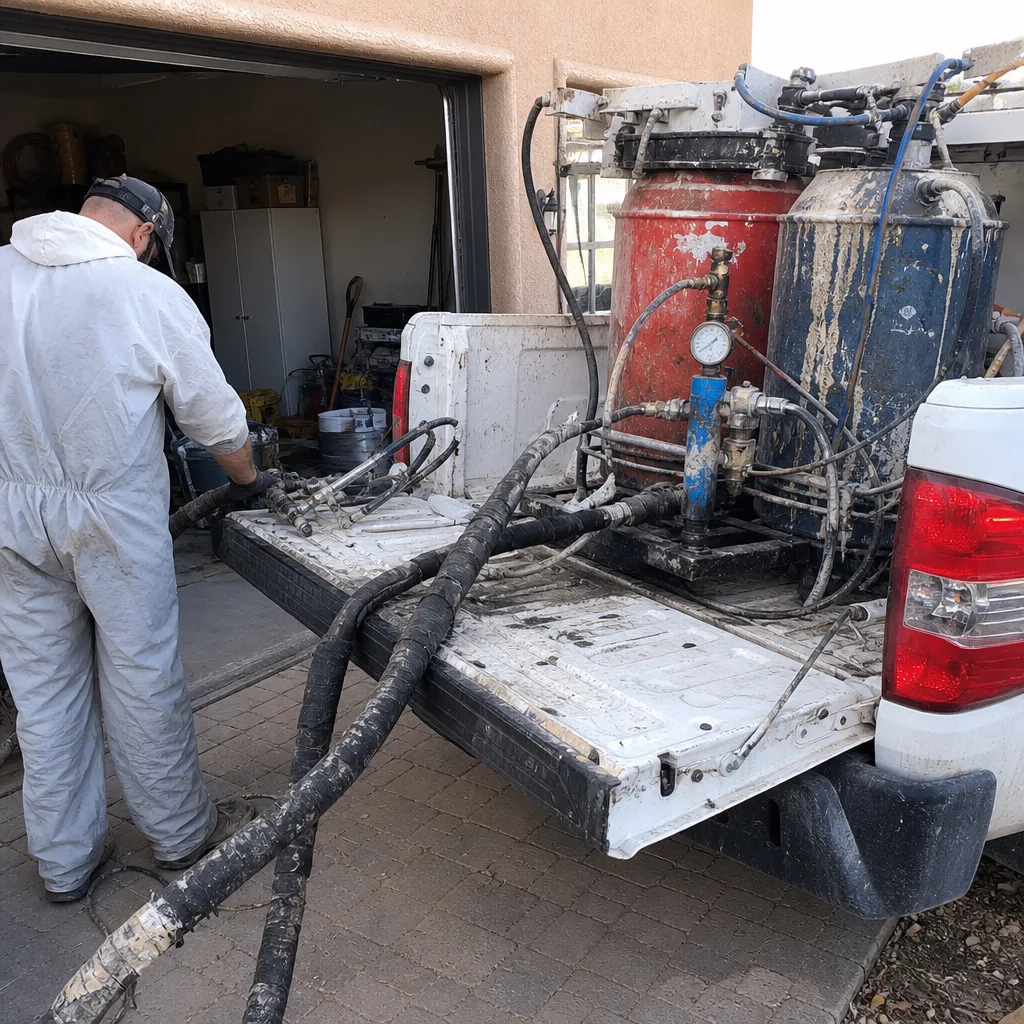
This is the failure mode that doesn’t smell, doesn’t look wrong, and doesn’t produce visibly crumbly foam. But it produces a home that still feels drafty after a “fully insulated” job. The foam went in over an unsealed attic floor, over can lights without rated boxes, over top plates and wire penetrations that were never air-sealed first. The foam’s R-value is doing its job. The air leaks were never closed.
The tell is in the blower-door numbers. A blower-door test – a pressurization reading that shows, in one number, how much air the building envelope is losing – gives you the home’s ACH50 and CFM50 (air changes per hour at 50 pascals, and cubic feet per minute at 50 pascals). Here’s the diagnostic:
- A meaningful improvement in R-value that doesn’t come with a proportional improvement in ACH50 points to unsealed bypasses buried under foam.
- If a home added R-19 worth of foam and the ACH50 barely moved, the labor was done but the air sealing was skipped.
- Expected outcomes for a properly sealed-and-insulated assembly are a substantial drop in both figures – often a 30-50%+ tightening – not just an insulation-layer change.
This is why we never blow or spray insulation over an unsealed attic floor. Air sealing of top plates, can lights, and penetrations comes first, in that order. If you’re seeing this pattern and want to understand the attic-side fixes, our guide to Attic Insulation in Boulder City walks through what a properly sealed assembly looks like. The good news: buried bypasses can often be located with a blower-door-and-smoke test or thermal imaging, and the fix is targeted air sealing rather than total foam removal.
The 7-Step Inspection Sequence Homeowners Can Run
Before you call anyone, run this sequence. It gives you a set of observations that will make the conversation concrete instead of vague.
- Photograph every area of foam – wide shots and close-ups. Note the date the work was done.
- Smell check. Open the space briefly, note whether the amine/fish odor is present, and how strong.
- Press test. With a gloved thumb, press a small area. Sticky? Soft? Hard? Note the location.
- Adhesion test. Gently probe the edge of a cavity with a putty knife, or press adjacent to the framing to see if the foam moves away.
- Color scan. Look for yellow-orange zones or uneven patchwork on a single wall.
- Gap inventory. Check the perimeter of cavities and roof deck lines for visible shrinkage gaps.
- Track your comfort. Note rooms that still feel drafty or floors that still feel cold, and whether the comfort problem matches the location of the foam work.
Write it down. The results tell you which of the four failure modes above you’re most likely looking at.
What Documentation to Demand Before Authorizing Repairs
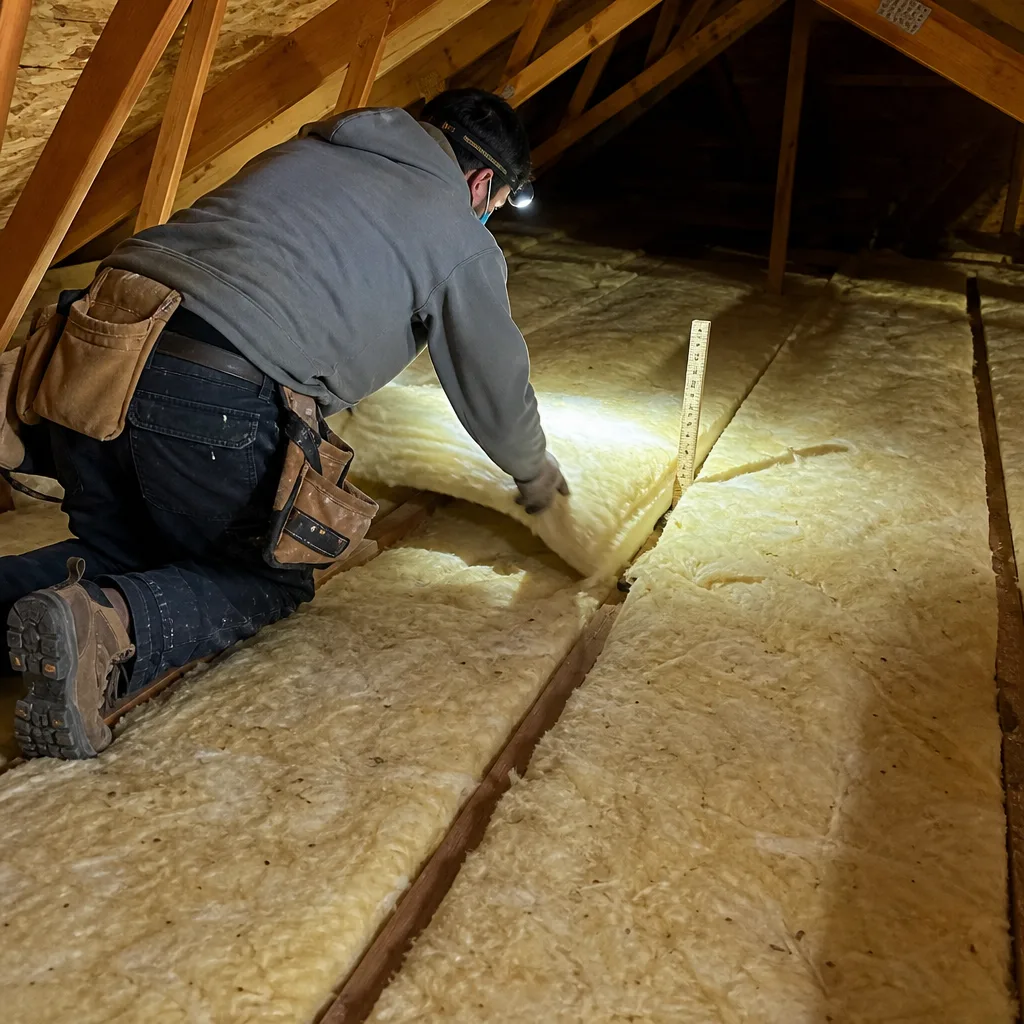
Before any repair work, request the following from the original installer. What they can produce – and what they can’t – tells you how strong your warranty position is:
- The written scope. What was specified: foam type, thickness, R-value target, and whether air sealing was included.
- Substrate temperature log or field notes. Reputable installers record ambient and substrate temps for the day of application. No record, no proof the work was in spec.
- Batch or lot numbers and product data sheets for the foam used – Icynene and Demilec systems both carry them. This also identifies which formulation you’re dealing with.
- Before-and-after blower-door numbers, if a blower door was run. This is the single most useful document. It shows whether the air sealing was done and what improvement was actually achieved.
- Photo record of the application. Pre-spray, mid-spray, and finished shots should be on file.
- The written warranty terms. What’s covered, for how long, and what voids it. Vague warranty language in either direction is a warning sign.
If the installer can’t produce a written scope or a substrate record, a warranty claim becomes a he-said-she-said argument. The absence of documentation is itself informative.
Why Boulder City’s Climate Makes Foam Failures Harder to Spot
Boulder City sits in a high desert with wide day-night temperature swings and seriously dry summers. Two things follow for spray foam:
First, the cold-substrate risk is concentrated into a short window. Winter nights in Boulder City regularly drop below the substrate minimum for closed-cell foam, and if the crew sprayed an unheated, unconditioned assembly early in the morning, you can get a cold-substrate failure that never shows up during the summer install season. Second, the drying cycle masks shrinkage. In this climate, foams that shrink slightly during cure hide it more easily because there’s no sustained humidity to open the gap – so the homeowner finds it months later, when the draft returns. The climate also means the attic gets very hot in summer, which is exactly the load a proper air-sealed assembly is supposed to manage; if bypasses are buried under foam, the home will feel it hardest in July and August.
This is why the crawl space and envelope side of the equation matters as much as the attic. A vapor barrier and sealed crawl space reduce the moisture load the assembly has to manage year round. Our page on Crawl Space Encapsulation & Vapor Barrier in Boulder City covers how that piece fits together with the rest of the envelope.
Repair vs. Remove: How the Decision Actually Gets Made
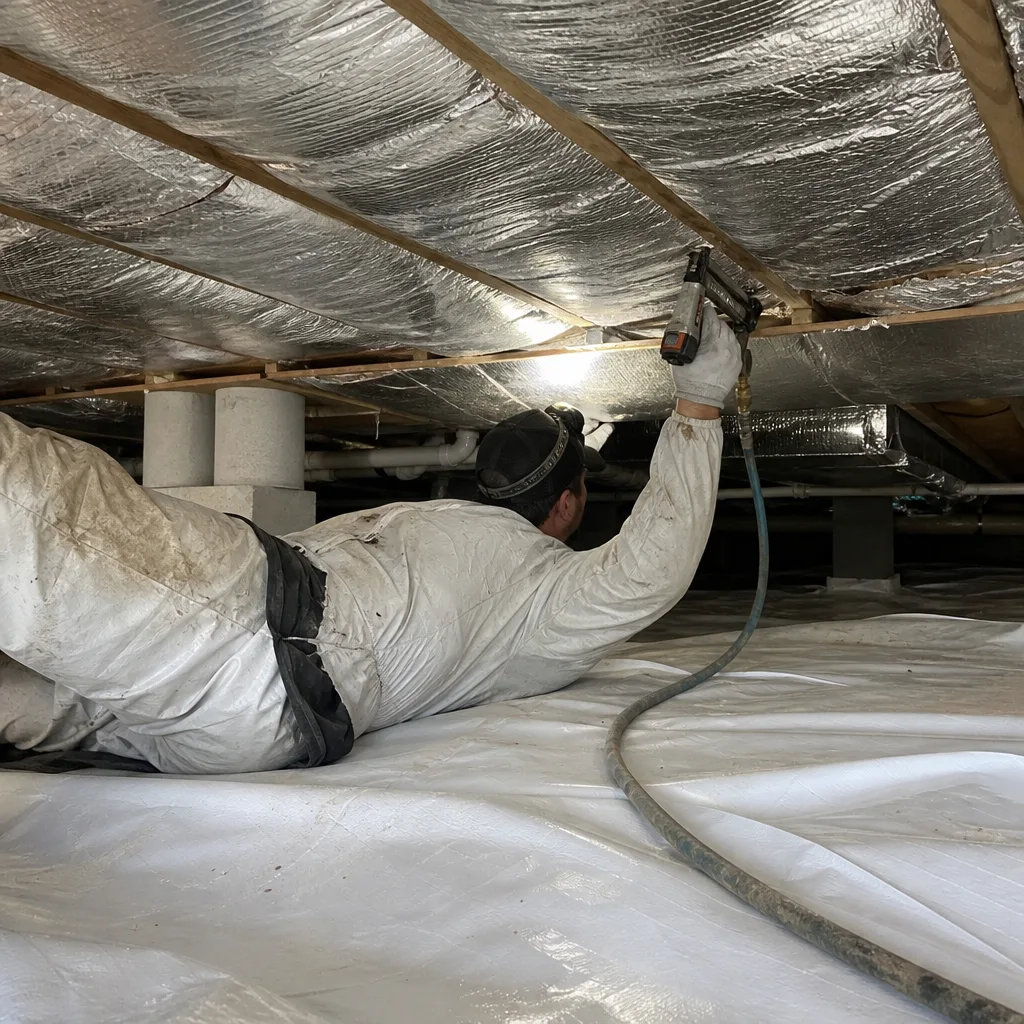
Three questions drive the call:
- Is the failure at the surface or in the body of the foam? Surface issues (small gaps, minor shrinkage) can be repaired. Off-ratio and cold-substrate failures live in the body and require removal.
- Is the bond still intact? If the foam still adheres to the substrate, repair is on the table. If it’s delaminated, that section comes out.
- Does the failure compromise the air barrier or thermal layer? Buried bypasses need targeted air sealing, not removal. A soft, crumbly slab does need removal, because you can’t rebuild a reliable barrier on top of it.
Every one of these answers is a measurement, not an opinion. That’s the reason we publish before-and-after blower-door readings – the number tells you what changed, not what someone thought changed. If you’re bringing us a competing estimate, we’ll read it with you at no charge. If the original job was done by another contractor, the paperwork review alone often decides which path is realistic.
For a bigger picture of how all this fits into a home’s overall performance, our Envelope Insulation Boulder City home page lays out the full service line – attic, wall, crawl space, and air sealing – with the documentation that comes with each.
Common Mistakes to Avoid
- Assuming the smell will cure out. Foam that still smells like amines weeks after install is not “still curing.” It’s off-ratio, and waiting costs you time and comfort.
- Trimming the tacky skin off and calling it fixed. The unreacted chemistry sits inside the foam. Surface trimming hides it without solving it.
- Spraying new foam over a failed section. Foam won’t bond to soft, crumbly, or delaminated substrate. The new layer fails with the old one.
- Skipping the blower-door test before and after. In Boulder City, skipping the before-and-after leaves no way to prove the air sealing was actually done. The number is your protection.
- Accepting a verbal warranty. A warranty you can’t read is a warranty you can’t use. Get the terms in writing before you authorize the work.
- Ignoring the cold-season install window. If the work was done in a cold snap, substrate temperature is a live suspect, and a photo of a thermometer is worth more than a guess.
- Letting a crew touch the foam before you have the original scope. The original scope is the baseline. Review it before any repair decision, not after.
When to Call a Professional
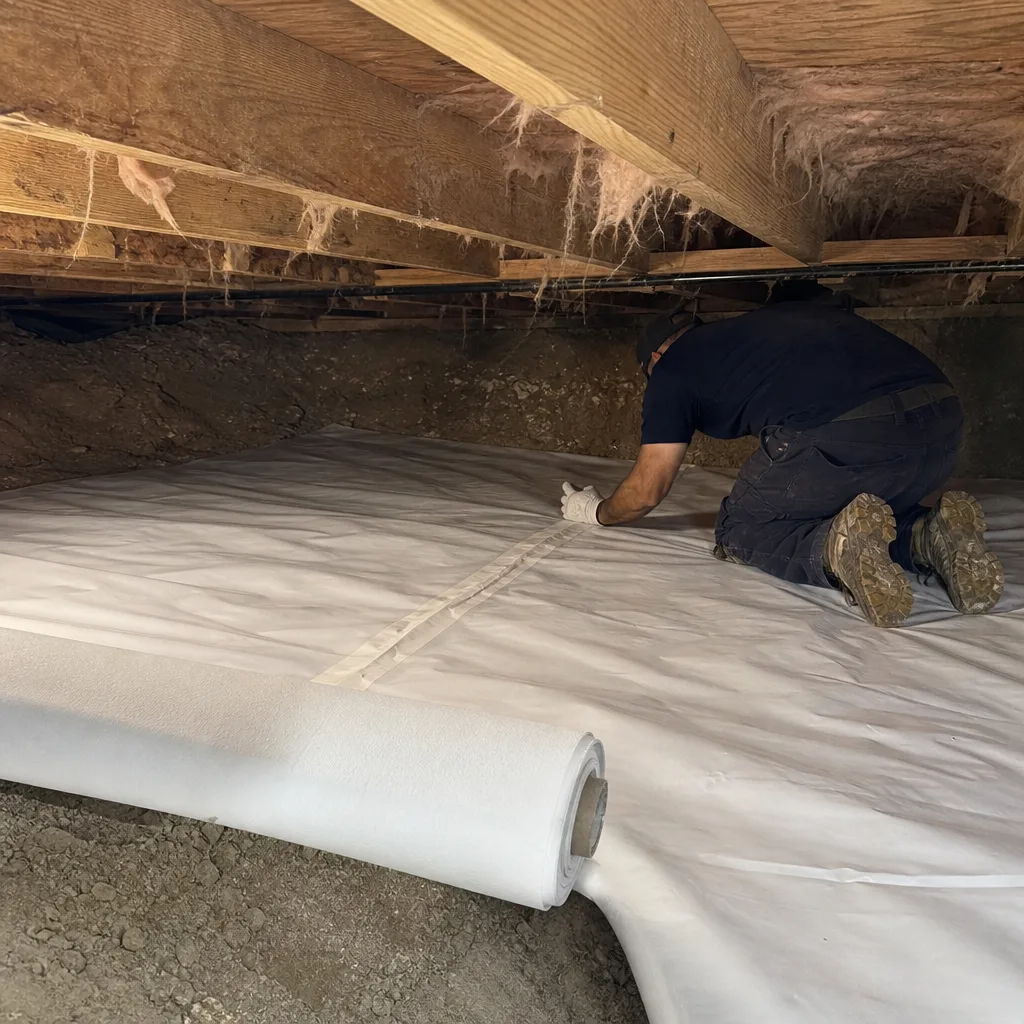
Call in when any of the following is true. Off-ratio foam with persistent amine odor – removal is not a DIY job and the source has to be eliminated, not covered. Delamination in a roof deck or rim joist – structural and envelope consequences are too high to skip. Soft or crumbly closed-cell foam over a broad area – it means the thermal layer has failed and the assembly needs rebuilding. Buried bypasses when you don’t have a blower door – resolving this without measurement is guesswork. Any time a warranty claim hangs on documentation you don’t have. Our Spray Foam Insulation in Boulder City page explains how our process differs. Envelope Insulation Boulder City offers free estimates on any spray foam repair or replacement work, and a free second opinion on any written estimate. Call (844) 320-7926 – a live person answers, 24/7.
Frequently Asked Questions
Look for yellow-orange or mottled color, a tacky surface that never fully hardens (test with a gloved thumb), and the specific fishy or ammonia smell of unreacted amines. Off-ratio foam will still be tacky weeks after install, and the odor will persist rather than fade. If you see all three, you’re almost certainly looking at off-ratio foam, and removal is usually the remedy.
Shrinkage is foam pulling back from framing or sheathing, leaving visible gaps at cavity edges or roof-deck lines. Delamination is the foam detaching as a slab from the substrate, which points to a bad bond from dirty, wet, or cold surfaces during application. Shrinkage with intact adhesion is often repairable; delamination in a critical assembly usually means the affected section comes out.
Yes, if you have before-and-after numbers. A large R-value gain with a small ACH50 improvement is the signature of foam applied over unsealed bypasses – the insulation is doing its job but the air is still leaking. The blower-door reading is what catches this failure mode that no visual inspection will.
Ask for the written scope, substrate temperature records, foam batch and product data sheets, before-and-after blower-door readings if any, an application photo record, and the written warranty terms. Missing documentation weakens any warranty claim considerably. In Boulder City, we provide this record as standard on every job, not on request.
It depends on where the failure lives. Surface gaps and minor shrinkage can be repaired in place. Off-ratio and cold-substrate failures live in the body of the foam and require removal of the affected area. Any delamination in a roof deck or rim joist typically means targeted removal and reapplication to properly prepared substrate.
Yes, in two specific ways: winter cold snaps push substrate temperatures below the working minimum for closed-cell foam, and desert dryness masks shrinkage during cure so it shows up months later. Scheduling spray work in the warmer months, or heating the assembly first, is one of the practical preventives in this market. Call (844) 320-7926 for an assessment of your specific situation; estimates are free.
The Bottom Line
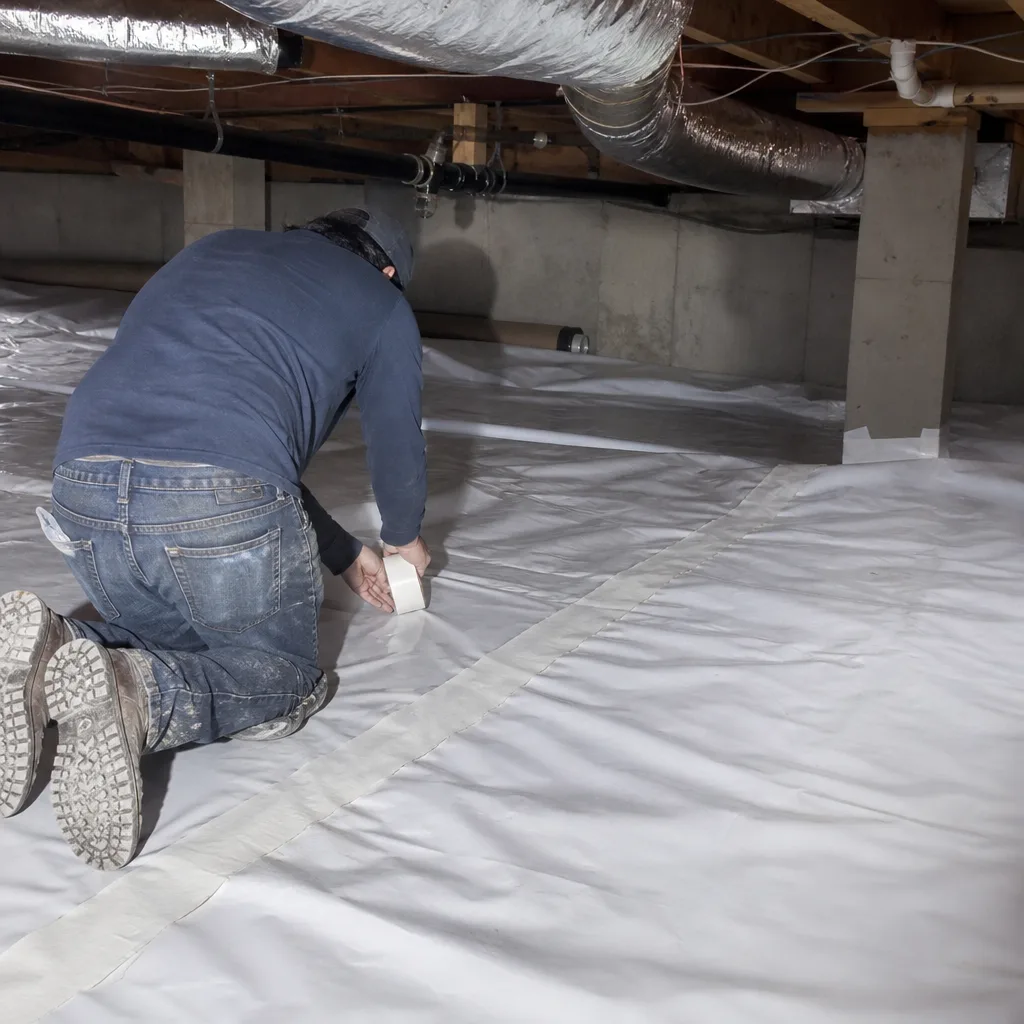
Most spray foam callbacks come down to three installation variables: mix ratio, substrate temperature, and whether the air was sealed before the foam went in. Off-ratio foam gives you the amine smell and the tacky surface. Cold-substrate foam gives you the soft, crumbly slab. Buried bypasses give you the disappointing blower-door number. The documentation from the original install – written scope, substrate records, and before-and-after readings – decides whether your remedy is repair or removal, and whether a warranty claim holds. Identify the failure mode first, then call.
Envelope Insulation Co. has sealed and insulated more than 9,000 homes under The Haven Standard since 2016, with a written price before any work starts, a 365-Day Done Right Promise, and a Documented Photo Record when the crew leaves. Every applicable job includes before-and-after blower-door numbers so you can see the performance change you paid for. Call (844) 320-7926 for a free estimate in Boulder City, and we’ll bring a written scope, a written warranty, and the numbers to back them up.
Written by the team at Envelope Insulation Boulder City.