
Last updated November 17, 2026
Blown-In Insulation Troubleshooting: Common Problems and How to Fix Them
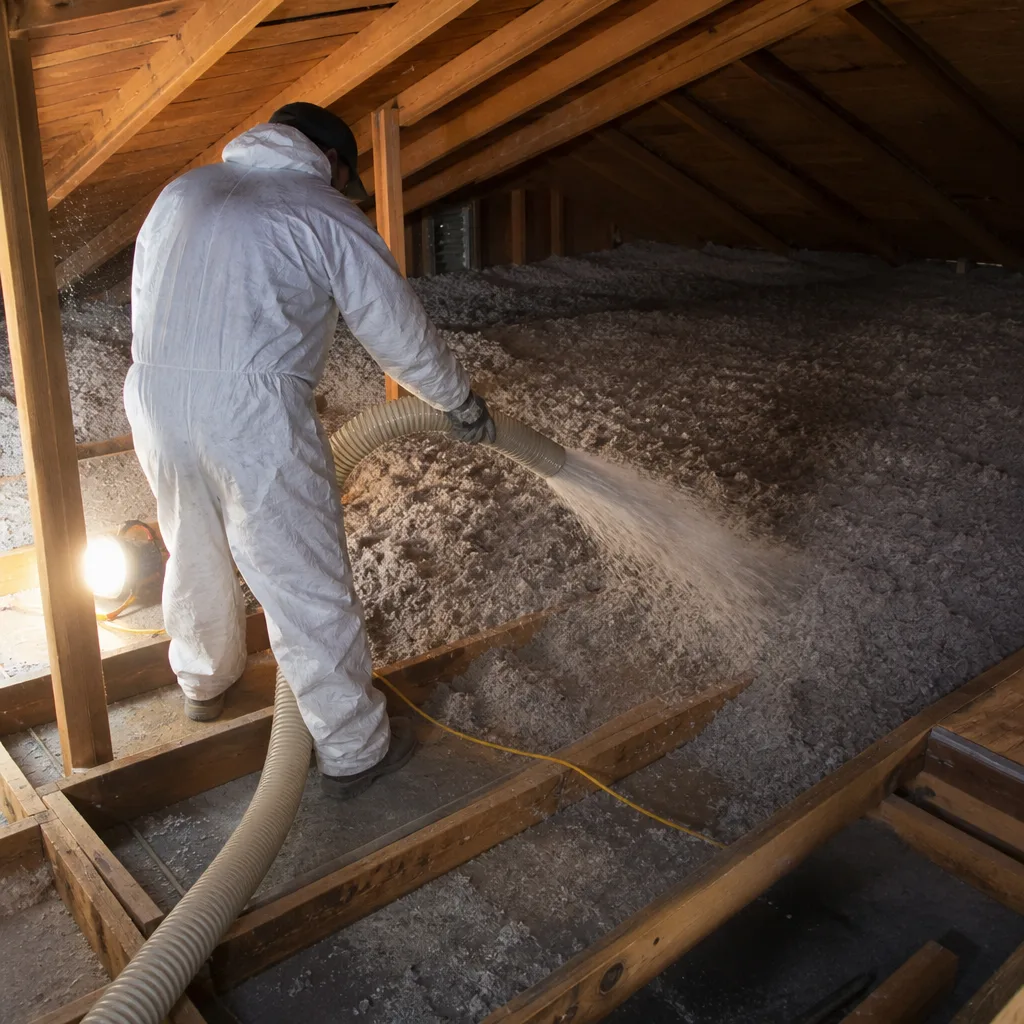
Adding a second layer of blown-in over an attic that already has settled coverage is the most common and least effective attic upgrade we get called to inspect in Boulder City. The homeowner’s complaint is almost always the same: the upstairs never cools evenly. The quote they were handed says “add R-19.” What the house actually needs is usually a duct or top-plate fix that more insulation cannot touch. This guide separates the four distinct causes behind that one symptom, shows you the evidence trail that points to each, and explains what a proper re-inspection should document so you know the fix held.
Quick Answer
Most “blown-in insulation problems” are not insulation problems at all. They are air bypasses, duct leakage, or wind-washing that a second layer of loose-fill will hide rather than fix. The fix is usually air sealing and baffling first, then topping up R-value only where a probe confirms the settled depth has actually fallen below the minimum. In Boulder City’s dry, high-desert climate, the bypass diagnosis is the one that gets skipped most.
Table of Contents
- The Four Causes Behind One Symptom
- R-Value Shortfall: How to Confirm It with a Probe
- Air Bypasses: The Smoke-Pencil and IR Check
- Wind-Washing Near the Eave Vents
- Moisture Clumping in Cellulose
- What Blown-In Conceals: Damage to Check Before You Buy
- What a 12-Month Re-Inspection Should Document
- Common Mistakes to Avoid
The four causes behind one symptom
Rooms that don’t cool evenly sound identical on the phone no matter what’s causing them. In our experience across Boulder City and the surrounding valley, that single complaint traces back to four different root causes, and each one needs a different repair.
- R-value shortfall. The settled depth has dropped below the minimum, often from the original install being thin or from years of settling in a hot attic.
- Air bypass. Warm attic air moves through gaps at the top plate, around can lights, or through plumbing and wiring penetrations. Insulation slows heat transfer but does nothing to stop a moving column of air.
- Duct leakage. The supply or return ducts leak conditioned air into the attic before it reaches the room. This is a distribution problem, not an insulation problem.
- Wind-washing. Loose-fill near the eave vents gets scoured by attic air movement, losing effective R-value exactly where the ceiling is coldest.
Adding more material on top fixes only the first. If you skip the diagnosis, you pay for the material and keep the complaint. That is why a proper audit comes before any quote, and it is why we treat air sealing as a hard prerequisite rather than an optional add-on. The attic floor gets sealed first, then insulated, in that order, every time.
R-Value shortfall: how to confirm it with a probe
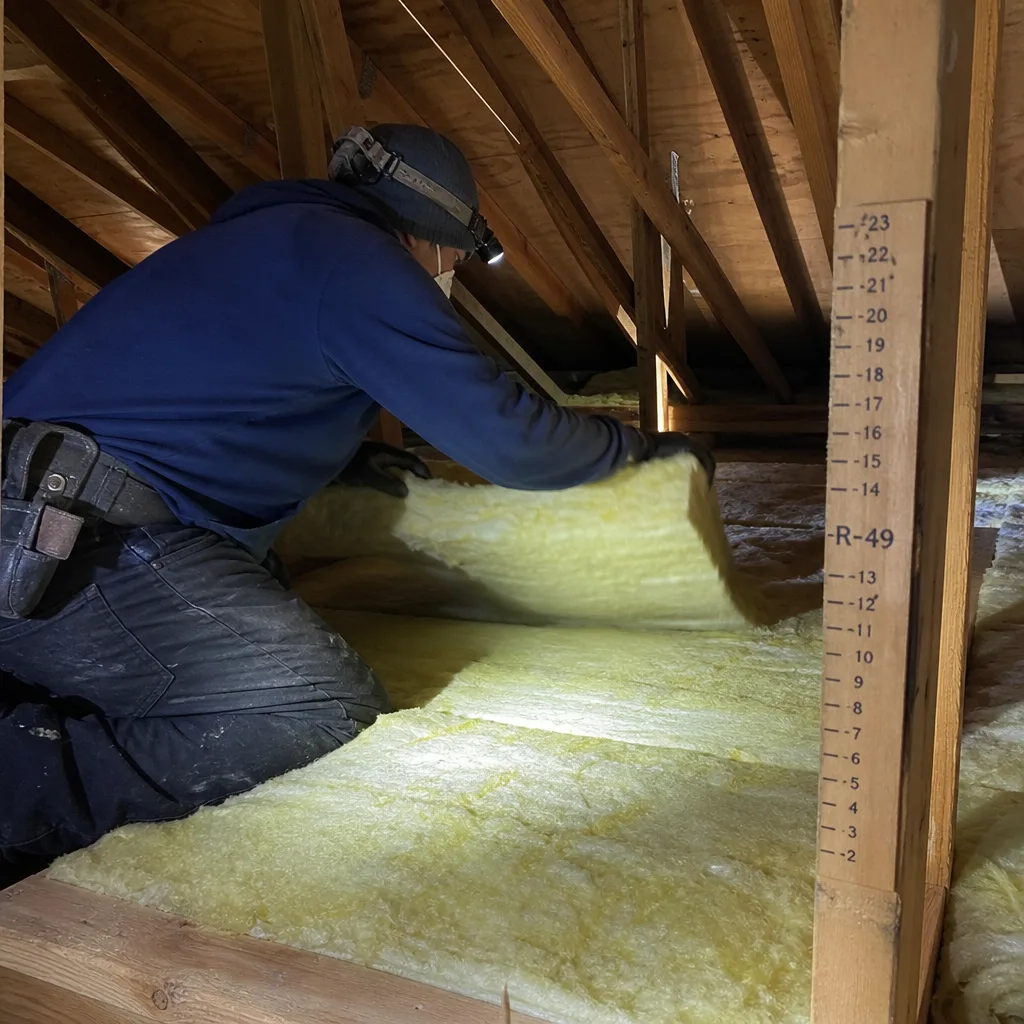
R-value shortfall is real and common, but it is also the cause most often claimed without proof. A depth-tab check is the cheap first step: most loose-fill products are labeled with the bag count and installed depth needed to hit a target R-value, and the contractor should have left a depth marker or a record. If that record is missing, you measure.
The method is a simple probe. Push a marked rod or probe down through the loose-fill to the ceiling drywall at several points across the attic, then read the depth. Do this near the center, over the rooms that feel hot, and near the eaves. If the settled depth at multiple points is below the manufacturer’s rated depth for the target R-value, you have a genuine shortfall.
Pay attention to the difference between installed depth and settled depth. Loose-fill settles over the first year or two, and a small drop is normal. A large drop, or a low number across the whole attic, means the original install was thin to begin with. In Boulder City’s desert heat, attic temperatures push the material through that settling cycle quickly. If a probe confirms a real shortfall, that is the one case where adding material is exactly the right call. The attic insulation in Boulder City work we do starts with those probe readings so the depth is measured, not guessed.
Air bypasses: the smoke-pencil and IR check
An air bypass is a gap where attic air slides down into the conditioned space, and it defeats insulation no matter how thick you blow it. The way to find one is to put the house under pressure and watch for the leak.
A blower-door test pressurizes the house and measures how much air it loses in one figure (CFM50). With the house depressurized, you can use a smoke pencil at the attic floor to see moving air at a top plate, a can light, or a penetration. Infrared imaging works the same way: cool or warm streaks show up at the bypass while the house is under pressure.
- Top plates where the wall framing meets the ceiling framing are a classic gap.
- Recessed can lights that are not rated for insulation contact dump air straight through.
- Plumbing and wiring penetrations through the ceiling leave open holes.
- Chases and dropped soffits create open pathways from attic to room.
In our experience, a Boulder City home with even cooling complaints often reads high on the blower-door number even when the settled depth looks fine. That reading is the evidence. If an attic floor is unsealed, more insulation just filters air through it slower. We won’t blow over an unsealed floor, and you can check that a contractor follows the same order by asking to see the before-and-after blower-door numbers. If the complaint traces back to a leaky envelope below the attic, a Boulder City home envelope review is the place to start.
Wind-washing near the eave vents
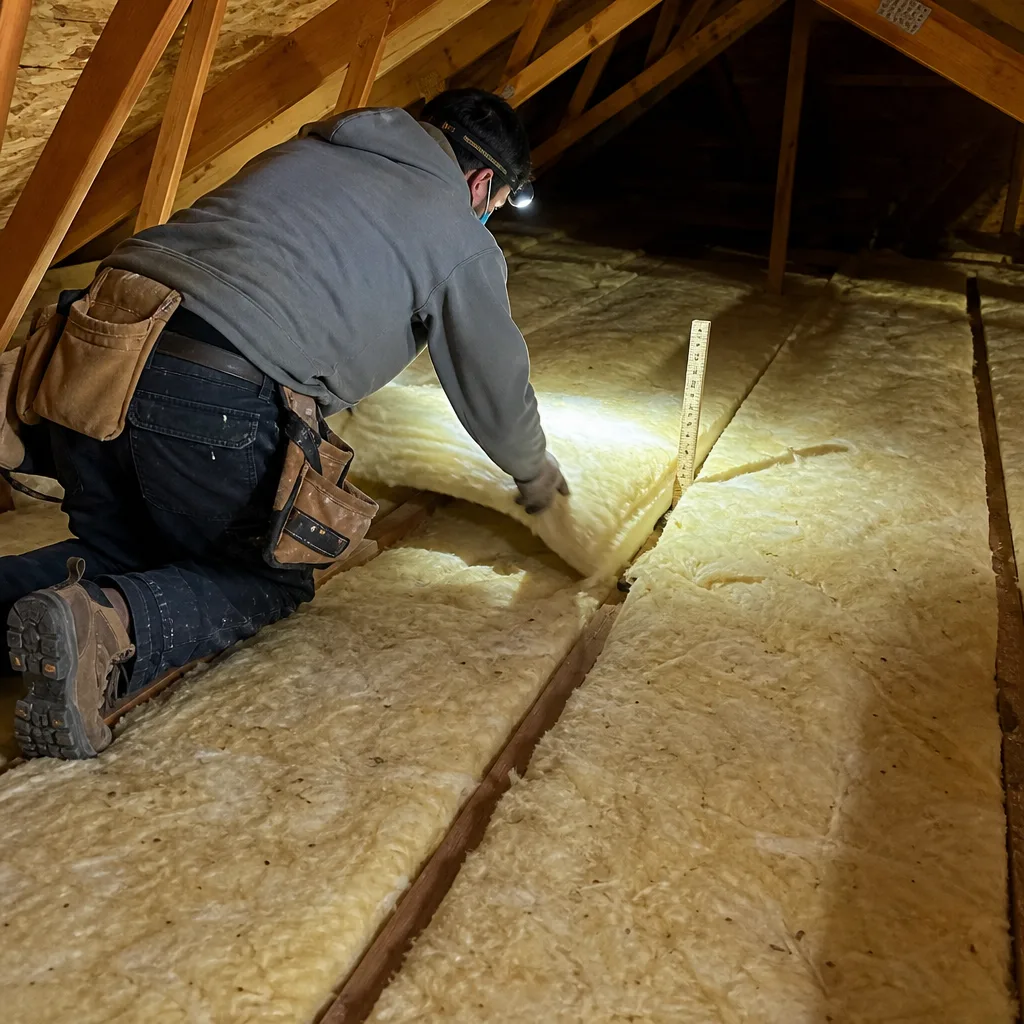
Wind-washing is the quiet failure in a ventilated attic. Air moving in through the eave vents scours across the loose-fill near the edge of the ceiling, robbing it of effective R-value exactly where the exterior wall meets the ceiling. And that perimeter strip is where you notice uneven cooling first.
You can spot the damage by probing near the eaves. The material there is often disturbed, thin, or blown away from the vent, leaving a bare channel. The fix is not more material on top. It is baffling: rigid foam or plastic baffles installed to hold the insulation back from the vent opening while still letting air move up and out the ridge or gable vents.
The baffle keeps two jobs separate. Ventilation has to continue so the attic doesn’t build up moisture and heat. And the insulation has to stay in place, undisturbed, right up to the point where the vent begins. Blow material against an un-baffled eave and the next windy season scours it back again. In a windy high-desert climate like Boulder City’s, this is a fix that pays for itself in comfort alone.
Moisture clumping in cellulose
Cellulose that has taken on water clumps, and clumped cellulose insulates poorly and stays wet. You find it by probe. Dry cellulose gives a soft, even resistance when you push through. Wet or clumped material feels dense, chunky, or spongy, sometimes with visible lumps or a darker color where moisture has moved through.
The real question is where the water is coming from. Common sources are a roof leak, a bathroom or kitchen exhaust fan venting directly into the attic, a blocked soffit or eave vent that stops the attic from drying, or a plumbing leak above. Adding more cellulose over wet material traps the moisture and accelerates the damage: you are burying a leaking roof under a fresh load of sponge, and the sheathing underneath will keep getting worse.
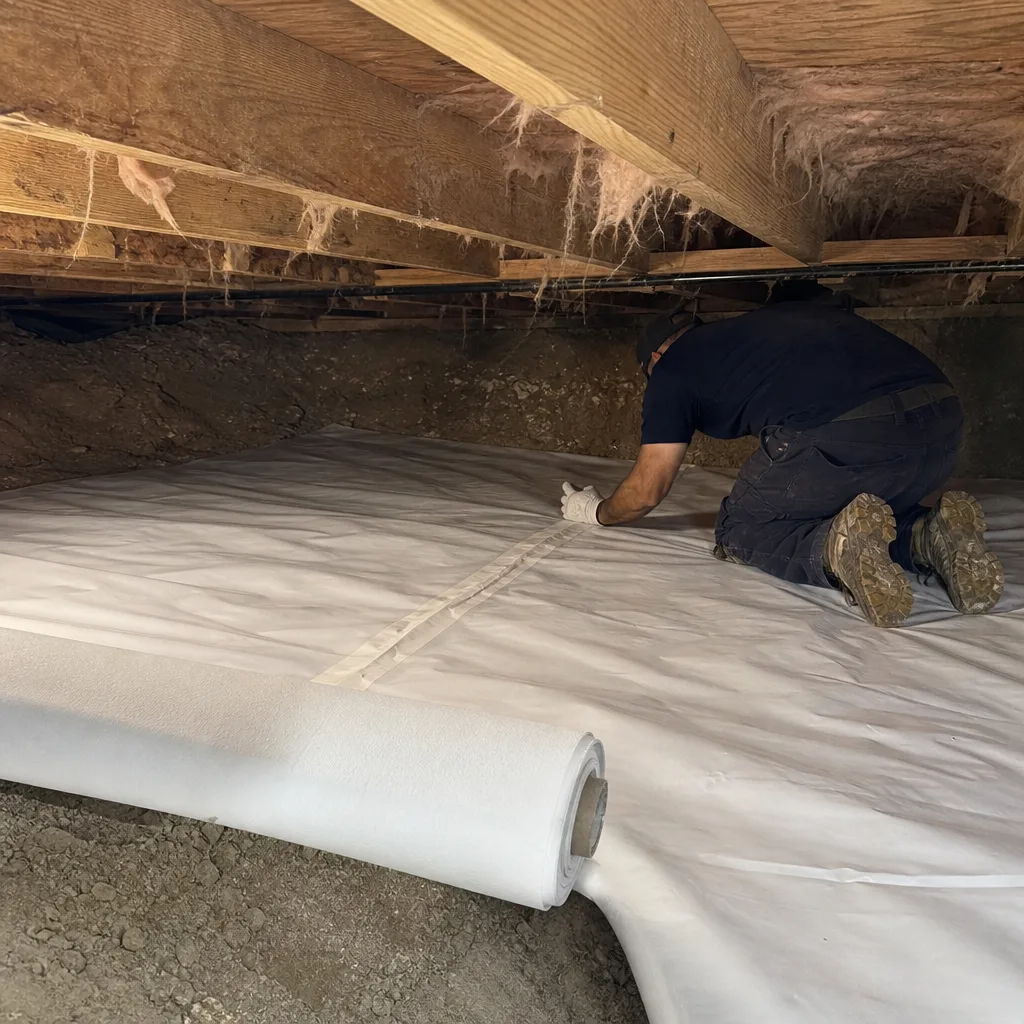
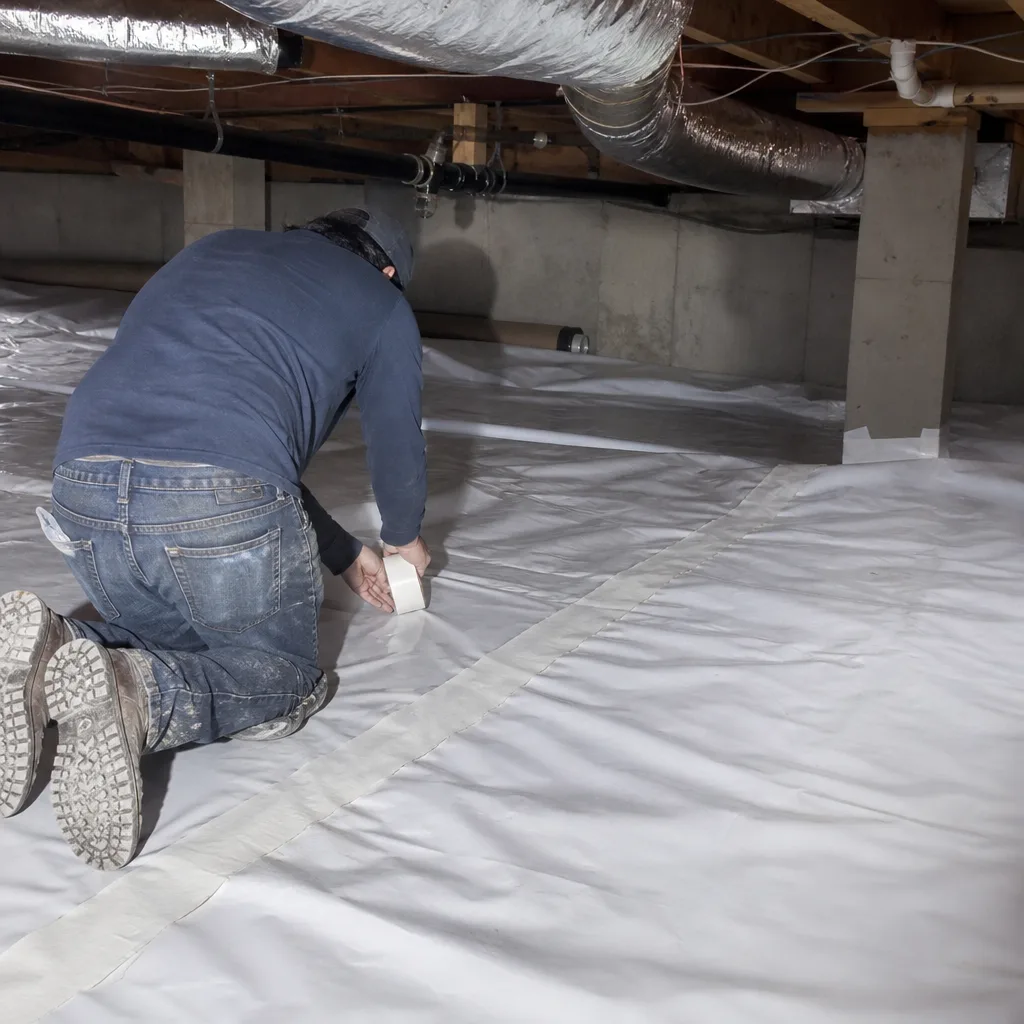
The order matters. Fix the moisture source, remove and replace the wet material, confirm it is dry, then re-insulate. This is the one troubleshooting case where the answer is genuinely “take material out.” If the water source is a damp crawl space pushing vapor upward, a crawl space encapsulation and vapor barrier in Boulder City plan is part of the repair. If you’re wondering whether spray foam is ever the right call for a chronic wet spot, our notes on spray foam insulation in Boulder City cover it.
What blown-in conceals: check before you buy
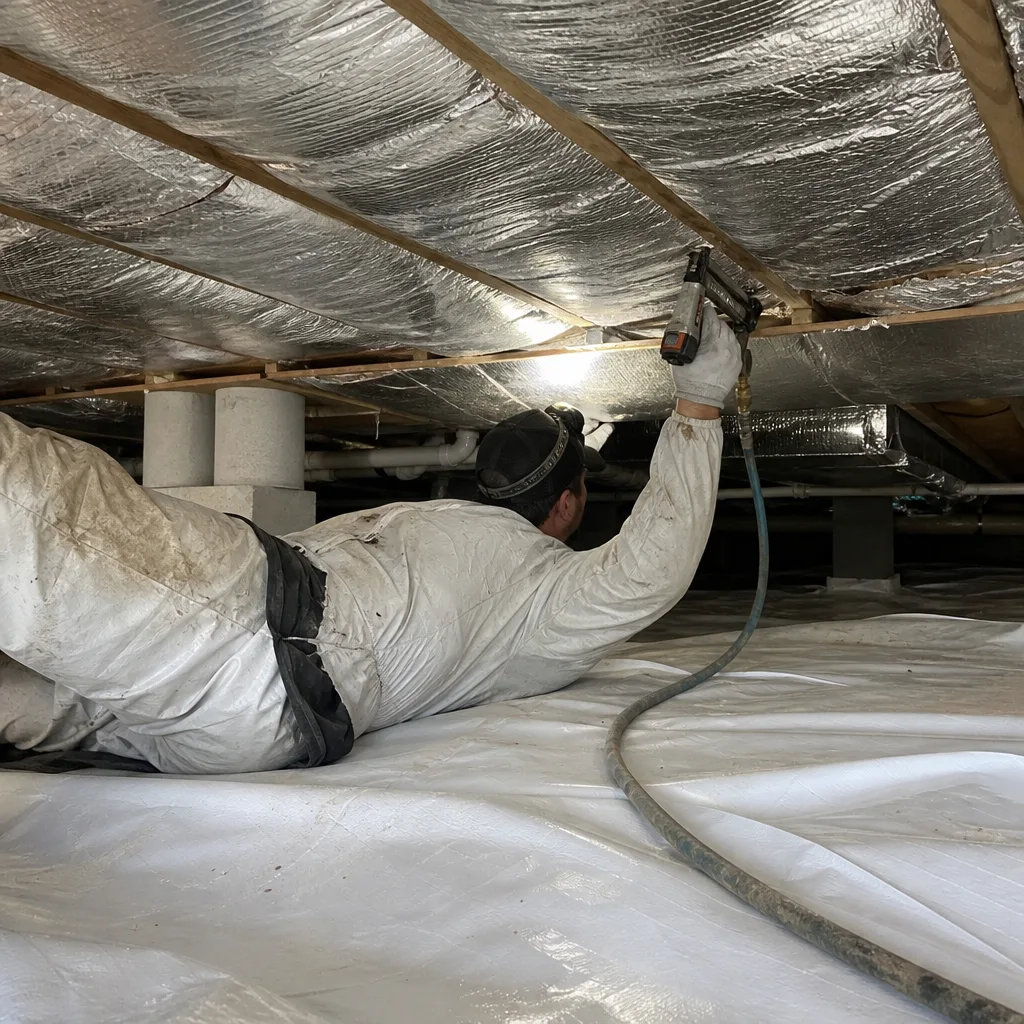
Blown-in insulation hides everything underneath it, which is exactly why a quote that skips the attic inspection is a red flag. Before you accept any estimate, the attic should be walked and photographed.
- Stained sheathing or rafters point to a roof or ventilation problem that will outlive any new insulation.
- Compressed prior batts under the loose-fill mean the earlier layer is doing far less than its label claims.
- Pest tunneling shows up as tracks or hollows through the material and often comes with chewed duct insulation.
- Disconnected or crushed ducts lying in the loose-fill lose conditioned air before it reaches the room.
- Missing depth markers or bag-count records mean the last install can’t be verified.
If those photos aren’t part of the conversation, the price you’re quoted is for material, not for a diagnosis. On every Boulder City job we run, the documented photo record and the before-and-after blower-door numbers are included, not available on request. That record is what lets a homeowner see what was actually found under the existing blown-in before it got buried.
What a 12-month re-inspection should document
The work is not finished when the crew leaves. Loose-fill settles, bypasses can reopen, and the only way to know your fix held is a re-inspection at the 12-month mark. Here’s what that visit should capture.
- Settled depth at multiple measured points – not one reading, but several across the attic, compared against the original record.
- The original bag-count and depth-tab record so the new numbers can be checked against what was installed.
- Any new bypass evidence – a re-scan of top plates, can lights, and penetrations under pressure.
- Condition of the baffles at the eave vents to confirm wind-washing isn’t recurring.
- Moisture check of the material for any clumping, especially after a wet season.
A re-inspection without the original record is guesswork. That’s why we hand over the depth and bag-count figures when the crew leaves, so the 12-month visit has something to compare against. If you inherited an attic from a prior owner and have no record at all, the re-inspection becomes a full audit with fresh probe and blower-door readings so you start from a known baseline.
Common mistakes to avoid
- Topping up before diagnosing. Adding a second layer over an unsealed attic floor hides the bypass and leaves the leak. Seal first, add material second, always.
- Skipping the blower-door test. Without the CFM50 before-and-after reading, nobody can show whether the work changed anything. You can’t manage what you didn’t measure.
- Ignoring the eave baffles. In Boulder City’s windy climate, un-baffled eave vents scour the loose-fill away season after season. The material comes back thin every time.
- Putting cellulose over wet sheathing. If you spot a roof leak or a fan venting into the attic, fix it before anyone blows a single bag. Buying insulation over a moisture problem is buying the problem a place to hide.
- Accepting a quote without an attic inspection. A written price on a house nobody walked isn’t a quotation, it’s a guess. Ask for the photos.
- Treating the symptom as the cause. “Uneven cooling” is not a diagnosis. Probe for depth, scan for bypasses, check the ducts, look at the baffles, then decide.
- No re-inspection record. Without the 12-month depth and bypass check, you never learn whether the fix held or settled away.
When to call a professional
Call a professional if the attic has never been inspected and the cooling complaint is new, if you can’t find a bag-count or depth record from the previous install, if a probe turns up wet or clumped material, or if the eave vents have no baffles and the perimeter of the ceiling refuses to heat or cool evenly. Any bypass that touches electrical work, can lights, or gas appliances should be handled by a trained trade, not a weekend job, because those penetrations sit near wiring and combustion equipment that need to stay sealed and vented correctly. Insulation handles thermal performance; moving air and moisture need a proper envelope diagnosis. Envelope Insulation Co. offers free estimates in Boulder City – call (844) 320-7926. Our technicians have up to 10 years of experience, and calls are answered by a live person.
Frequently Asked Questions
In most cases the insulation is working as installed, but the attic floor above the rooms was never air sealed, or the ducts leak, so the comfort complaint persists. Blown-in slows heat transfer; it doesn’t stop a moving column of air or a leaking duct. The fix is to find the bypass or duct leak first, then confirm R-value with a probe before adding any material.
Only if a probe confirms the settled depth has dropped below the manufacturer’s rated depth for the target R-value. If the depth is already adequate, a second layer won’t fix uneven cooling and may just be money spent covering a bypass. Confirm the finding with probe readings and a blower-door test first.
That’s wind-washing. Air moving through the eave vents scours the loose-fill away from the edge of the ceiling, dropping the effective R-value where the room edge meets the wall. The repair is to install baffles that hold the insulation back from the vent while keeping the ventilation path open.
Lumpy or dense resistance instead of soft, even resistance usually means the material has taken on moisture and clumped. Find the source – a roof leak, an exhaust fan venting into the attic, blocked vents, or plumbing – fix it, then remove and replace the wet material before re-insulating. Adding more over wet cellulose traps the moisture and speeds the damage.
It should log settled depth at multiple points against the original record, re-scan for bypass evidence at top plates and lights, check that baffles still sit in place at the eave vents, and look for any new moisture clumping. Without the original depth record to compare against, a re-inspection can’t tell you whether the work held.
Yes. We run jobs throughout Boulder City and the surrounding valley, seal first and insulate second, and include the before-and-after blower-door numbers and a documented photo record on every applicable job. Call (844) 320-7926 for a free estimate, and a live person will answer.
The Bottom Line
Uneven cooling gets sold as an insulation problem when it’s usually an air or duct problem. Probe for depth before you accept an R-value shortfall diagnosis. Smoke-pencil and IR scans find the bypasses that more material will only hide. Baffle the eave vents so wind-washing doesn’t undo the job. Fix moisture sources before you re-insulate, and inspect the attic for concealed damage before you accept any quote. Then document the settled depth and re-inspect at 12 months so you know the fix held. Seal first, then insulate, and the numbers will show you did it right.
If you’re in Boulder City and want a diagnosis that starts with the evidence rather than a material count, call Envelope Insulation Co. at (844) 320-7926 for a free estimate. Under The Haven Standard, you’ll get a written price before any work starts and a documented record when the crew leaves.
Written by the team at Envelope Insulation Co.