
Last updated November 17, 2026
Attic Insulation Troubleshooting: Common Problems and How to Fix Them
If your upstairs rooms are still hot after a full attic re-insulation, there is a 70% chance the contractor skipped the air barrier. Adding more insulation on top will not change the number on your thermostat. That is the uncomfortable truth we run into on a large share of the homes we evaluate in Boulder City, where summer attic temperatures climb past 150°F and every unsealed penetrations works like a chimney all afternoon. This guide teaches you to tell an air-sealing failure from a true insulation failure before you spend a dollar on diagnostics, using a smoke pencil, a tape measure, and a flashlight. You will learn what thermal bypass looks like, how compressed insulation loses R-value, how moisture patterns point to ventilation problems, and exactly what paperwork to demand before anyone touches your attic.
Quick Answer
Most attic insulation that “stops working” has actually lost its air barrier, not its R-value. Air moving through gaps at top plates, can lights, and attic hatch edges carries heat straight past the insulation, so the material looks fine while the room stays hot. The fix is air sealing first, then restoring insulation depth and contact. If you see damp insulation, widespread compression, or air actively leaking, the remedy is a sealed attic floor followed by verified blow-in, not another layer on top.
Table of Contents
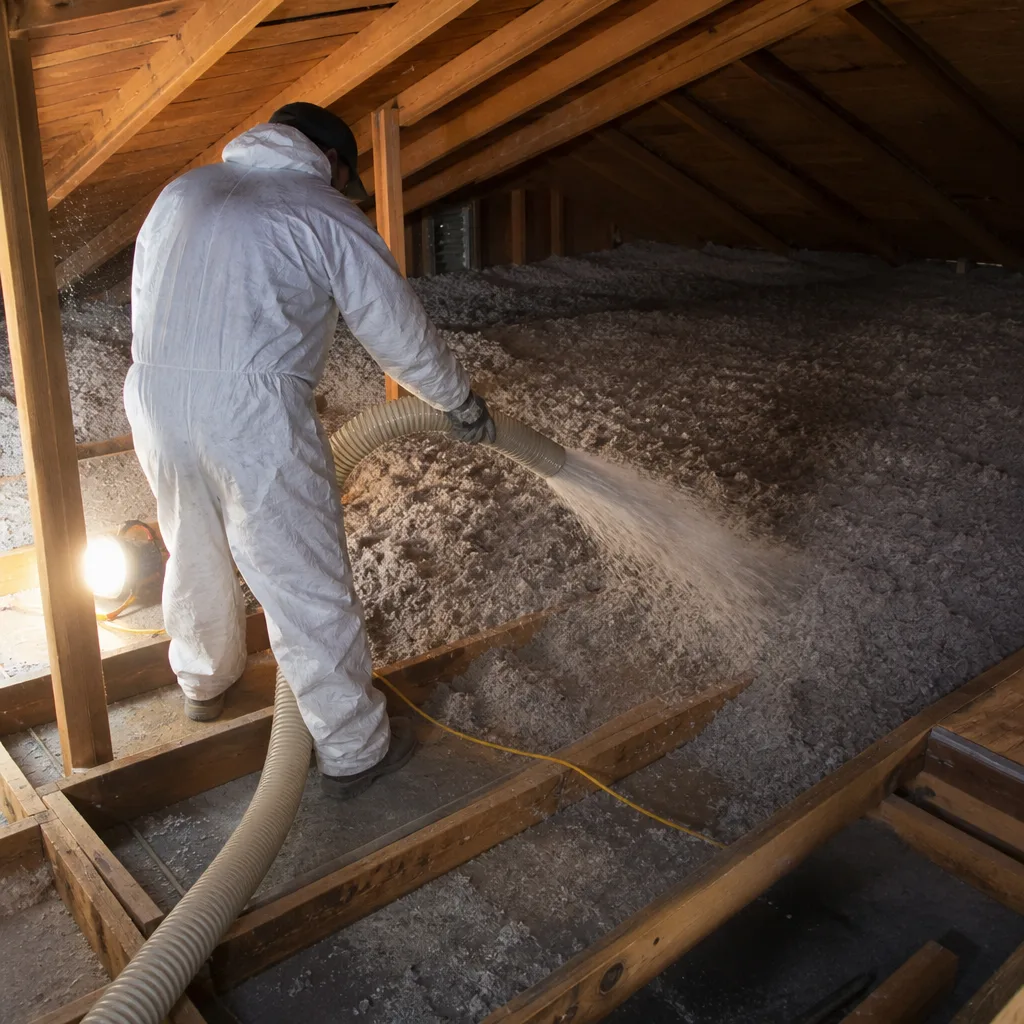
- Thermal bypass vs. conductive loss: the distinction that changes the fix
- How to self-diagnose air bypass with a smoke pencil
- Compressed insulation and the R-value you actually lost
- Reading moisture damage: cellulose vs. fiberglass vs. spray foam
- When the problem is ventilation, not insulation
- The documentation checklist for any re-do
- Common mistakes to avoid
- When to call a professional
Thermal Bypass vs. Conductive Loss: The Distinction That Changes the Fix
Heat leaves a house through two very different paths, and confusing them is why so many Boulder City homeowners pay for insulation twice. Conductive loss is heat moving directly through a material. Insulation resists that, measured in R-value per inch. Thermal bypass is air moving through or around the insulation, carrying heat with it. A fiberglass batt rated R-38 does nothing useful when a 2-inch gap at the top plate lets attic air pour through it all afternoon. The R-value is real; the air just goes around it.
Here is how the two failures compare:
- Conductive loss shows up as insulation that is too thin, too old, or settled below the joist line. The material is intact but undersized. Remedy: add depth.
- Thermal bypass shows up as insulation that looks perfectly fine while the room above it runs hot or cold. The gap, not the material, is the problem. Remedy: seal the opening, then re-insulate.
In our experience across attic insulation in Boulder City, bypass is the far more common of the two – especially in homes built between 1990 and 2010 where recessed can lights, wire penetrations, and top plates were left open. A blower-door test – a pressurization reading that shows, in one number, how much air your building envelope is losing – tells you which problem you have before any material gets purchased. That single measurement separates a $400 air-sealing job from a mistaken $3,000 re-insulation that solves nothing.
How to Self-Diagnose Air Bypass With a Smoke Pencil
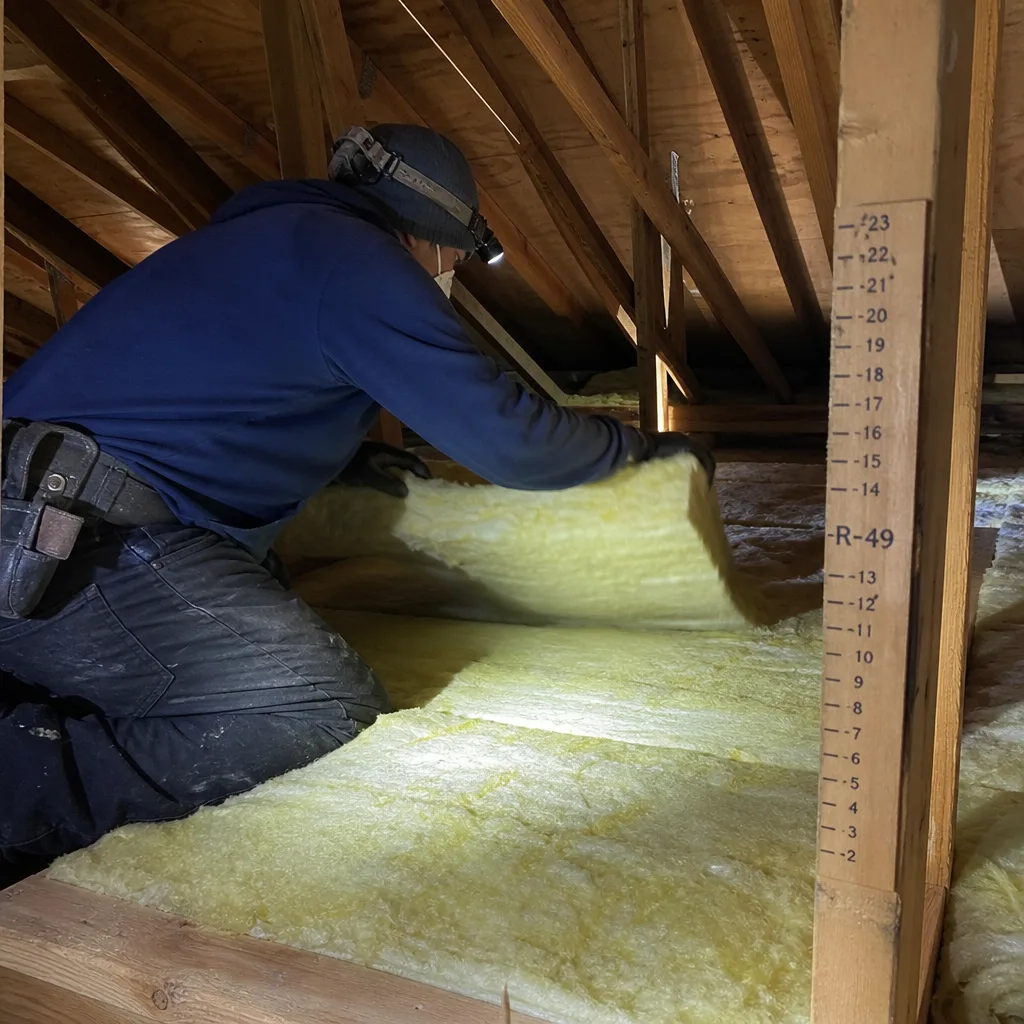
You can check for air bypass yourself before you ever call a contractor, and it costs under $20. A smoke pencil (or a lit incense stick, held carefully away from any insulation) shows air movement the moment it happens. The trick is to create a pressure difference first, so the smoke has somewhere to go. Here is the sequence we walk Boulder City homeowners through:
- Close up the house. Shut all windows and exterior doors. Turn off exhaust fans and the HVAC system so you are measuring the building, not a fan.
- Pressurize. Crack one window and place a box fan blowing out, sealed around the edges with cardboard or tape. This pulls the house slightly negative so outside air pushes in through gaps.
- Test the attic hatch. Hold the smoke pencil along every edge of the hatch and the trim around it. A steady horizontal pull of smoke toward the attic means the hatch is unsealed – a very common bypass in Boulder City homes.
- Test recessed lights. From the room below, hold the smoke pencil at the gap between the trim ring and the ceiling. Smoke drawn up into the can means that fixture is an open hole to the attic.
- Test top plates and penetrations. From inside the attic with a headlamp, run the smoke pencil along the top plate where wall framing meets the ceiling, plus any wire, plumbing, or duct penetrations. Smoke that curls or streams away signals an active bypass.
Write down every location where the smoke moves. That list becomes the scope of work, and it is the difference between a contractor sealing your actual leaks and one who guesses. If the smoke sits still everywhere you test, your problem is more likely conductive or ventilation-related, and the next sections apply.
Compressed Insulation and the R-Value You Actually Lost
Insulation only performs at its rated R-value when it is at its designed thickness and fully in contact with the surface it is insulating. Compressed material loses R-value fast. A fiberglass batt rated R-13 that has been squashed from 3.5 inches down to 2 inches performs closer to R-8 – you paid for 13 and live with 8. Blown cellulose suffers the same fate. Every foot of storage, every box dropped during a move, and every careless install flattens the loft that trapped air.
How to calculate what you have lost:
- Measure the settled depth at several points with a tape measure, not a guess.
- Compare that depth to the rated depth of your material. Fiberglass batts lose roughly R-2.5 to R-3 per inch of lost thickness; blown cellulose loses about R-3.5 per inch of compression.
- Multiply the number of compressed inches by that per-inch figure to estimate the R-value you are missing.
Walk the attic and photograph the compressed areas – it is usually obvious within ten feet of the hatch, where foot traffic concentrates. In Boulder City we also see compression along the centerline of attics that were used for seasonal storage. The remedy is not always a full re-insulation. Loosening and fluffing batts that are still intact, then blowing in additional material to restore the target depth, is often enough – provided the air leaks underneath are already sealed.
Reading Moisture Damage: Cellulose vs. Fiberglass vs. Spray Foam
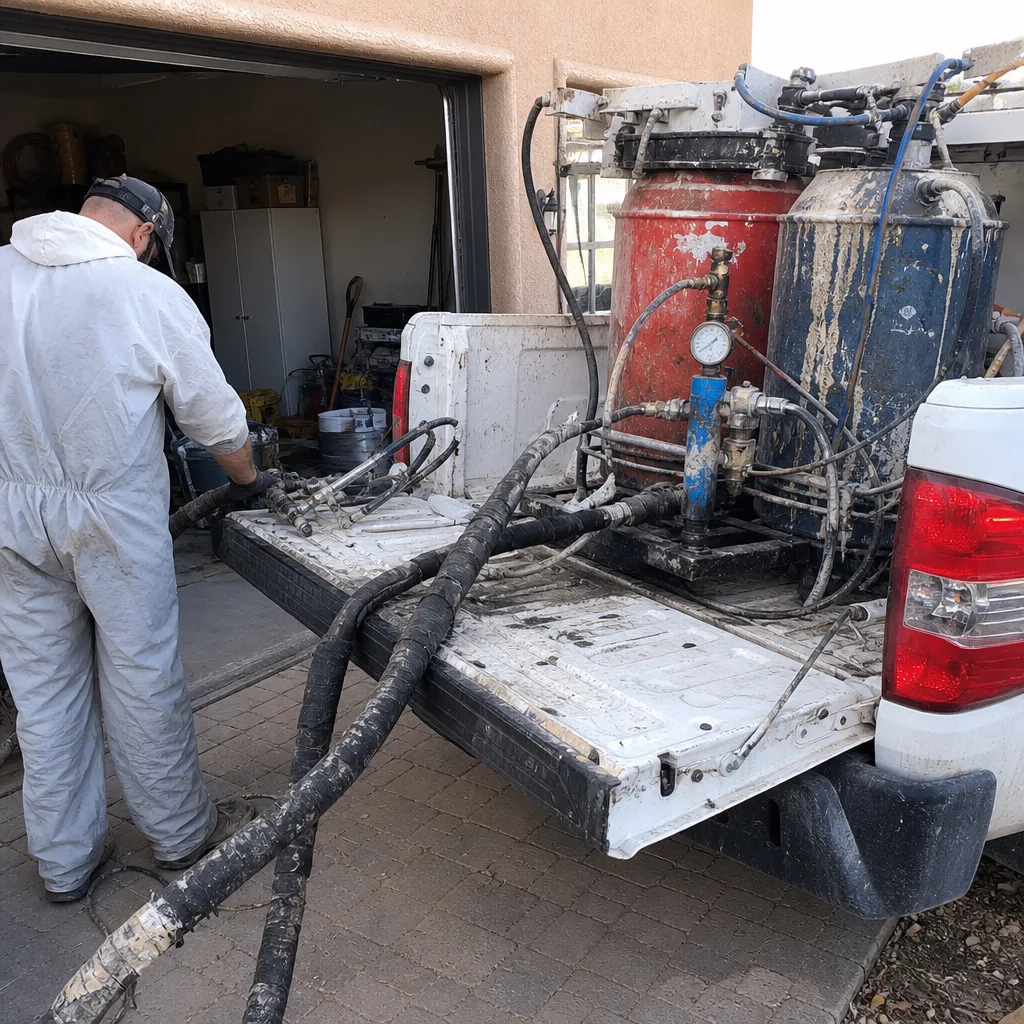
Water in an attic is an emergency, and how your insulation fails under moisture tells you a lot about what actually went wrong. The three common materials age very differently when wet, and the pattern of damage points to the cause.
- Blown cellulose darkens, cakes, and clumps. Wet cellulose collapses and loses loft permanently, and it can stain the drywall below within a season. Because it holds moisture, prolonged damp cellulose is one of the few insulation failures that can support mold growth.
- Fiberglass does not absorb much water but sags and packs down when soaked repeatedly. It leaves a telltale rust ring on ductwork, a water stain on the joists, and a droop in the batts.
- Spray foam is closed-cell or open-cell and handles moisture differently. Closed-cell resists water and rarely fails from it, but open-cell foam can become a sponge, and any wet foam means the moisture is trapped against the deck.
Read the pattern, not just the material. Water concentrated under the roof deck near ridge vents or gable ends, with no visible roof leak, points to a ventilation problem – warm moist air condensing on cold sheathing. Water along the ceiling line or around a bathroom vent that dumps into the attic points to an exhaust-into-attic problem, very common in older Boulder City homes where the fan should have been ducted to the roof. Water near the eaves or at a specific ceiling stain points to a roof or flashing leak, which is a roofing problem, not an insulation problem. Match the pattern to the cause before you buy a single bag of material.
When the Problem Is Ventilation, Not Insulation
Sometimes the insulation is doing its job perfectly and the attic still runs hot or wet, because the attic cannot breathe. Attics need balanced airflow – intake at the soffits, exhaust at the ridge or gable – and when that balance breaks, insulation gets blamed for a problem it did not cause. Blocked soffit vents, buried baffles, or a single gable vent working alone all create a hot, humid attic that cooks the top floor no matter how much R-value you add.
Signs your problem is ventilation, not insulation:
- Insulation looks intact and at full depth, but the attic reads 140°F+ on a summer afternoon and the ceiling below is hot to the touch.
- Condensation, frost, or dark staining on the underside of the roof deck in cool weather.
- A sharp smell of hot asphalt in the attic during Boulder City’s July afternoons – ventilation is failing to flush the heat.
- Baffles at the eaves are pushed against the roof deck, choking intake air and starving the attic.
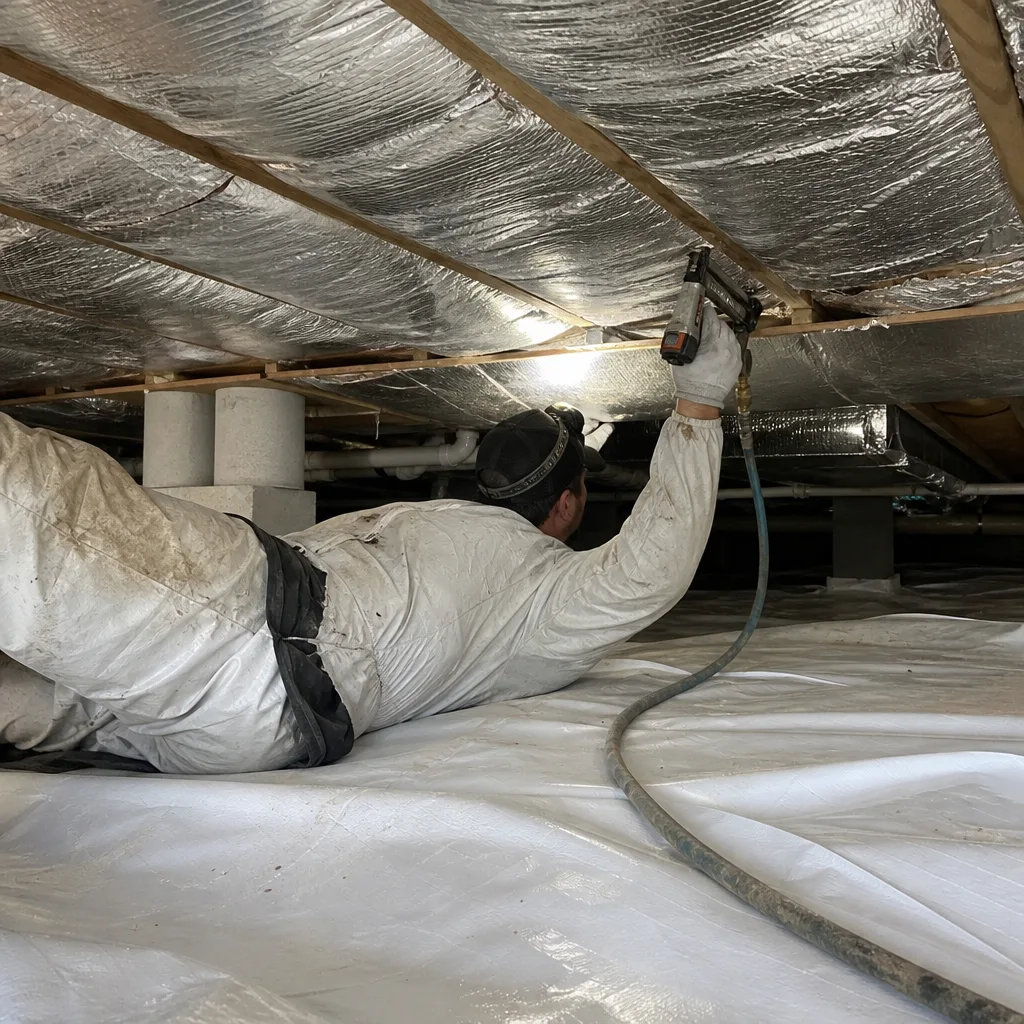
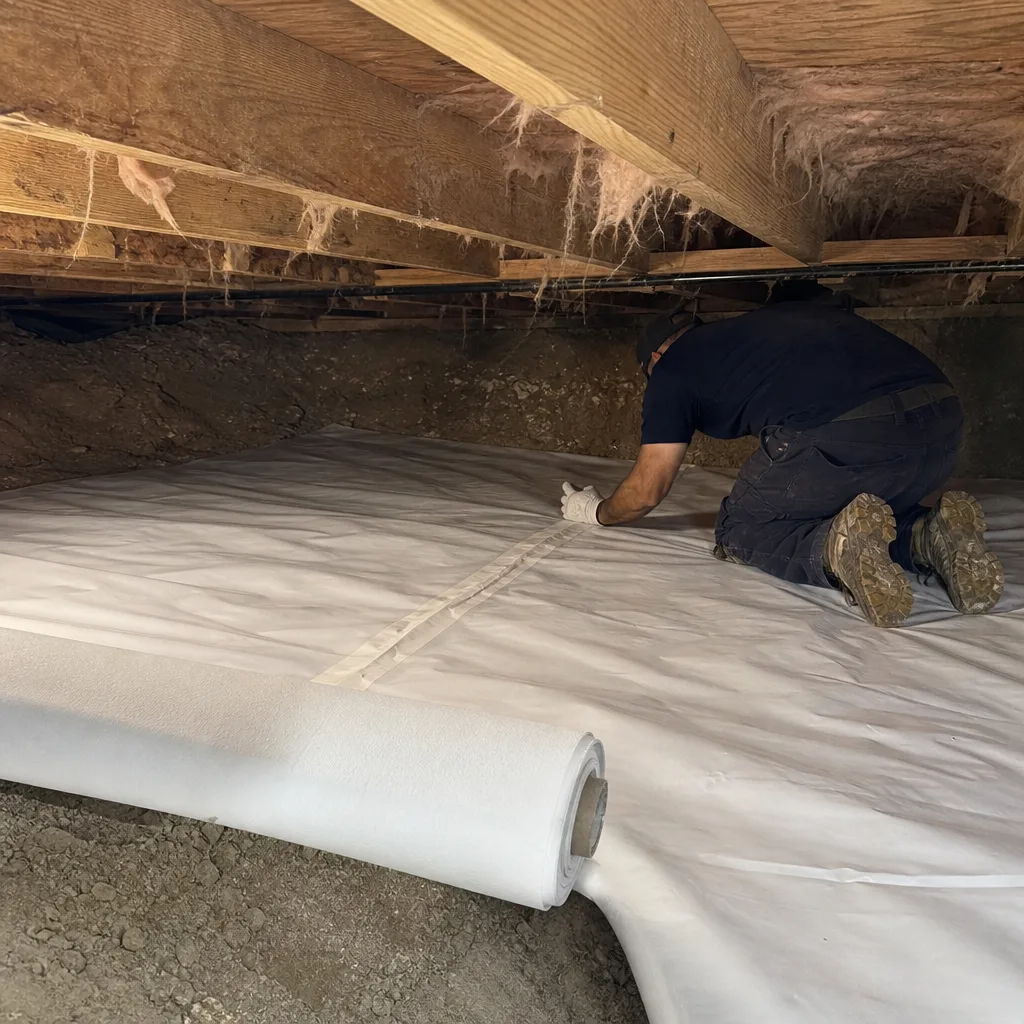
The remedy is restoring clear vent pathways – pulling baffles back so soffit air can rise, clearing blocked vents, and confirming intake and exhaust are balanced. If you find yourself dealing with dampness, musty air, or rising energy bills alongside attic symptoms, a full crawl space encapsulation and vapor barrier in Boulder City can be the missing half of the moisture story, since a wet crawl space pushes vapor up into the attic. In many cases, spray foam insulation in Boulder City used to seal and insulate the attic roof deck is the right answer when traditional vented insulation cannot solve the problem – but only after the venting logic is understood.
The Documentation Checklist for Any Re-Do
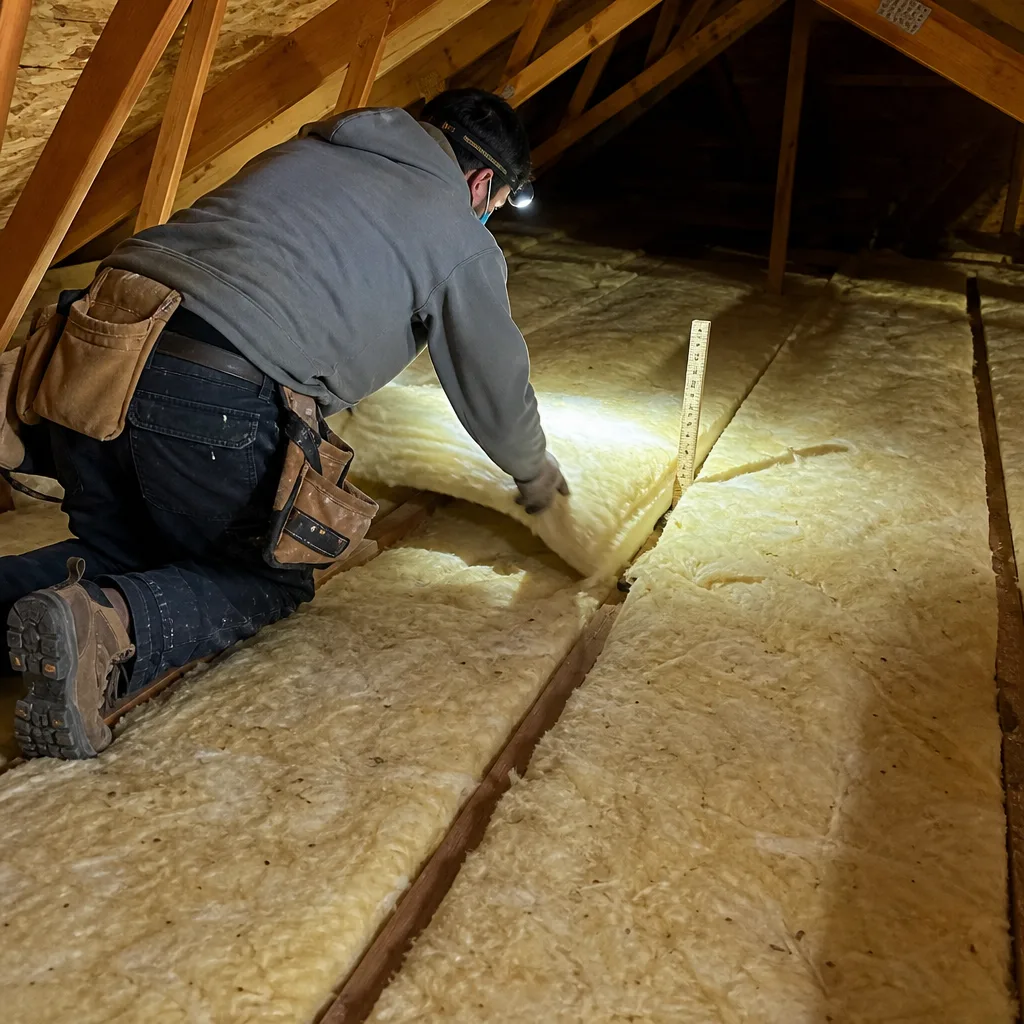
If you are hiring someone to fix a failed attic insulation job, the paperwork matters more than the pitch. This is where most homeowners get burned: they accept a verbal scope, the crew shows up, and nobody can prove what was promised. At Envelope Insulation Boulder City, every job begins with a written price, a written scope, and a written warranty before any tool is lifted – Haven Standard Clause 1. Bring this checklist to any contractor you interview, including us.
- A written scope of work that names each area to be sealed – top plates, can lights, penetrations, hatch – and each insulation material and installed R-value by location.
- Before-and-after blower-door readings (or at minimum a pre-work test), so the air-sealing result is measured, not claimed.
- The install order in writing: air sealing completed and verified before any insulation goes in.
- Material specifications – brand and product name. Any reputable company should name what it installs. We source from CertainTeed, GreenFiber, Owens Corning, and others, but never lock you into a proprietary product.
- Deck and baffle protection: how soffit venting will be preserved after new material goes in.
- A documented photo record of the finished attic, delivered to you – not promised on request.
- A written warranty and the company’s willingness to stand behind it. Our Envelope Insulation Boulder City work is covered by the 365-Day Done Right Promise: if it is not done right, we make it right.
Ask for a free second opinion on any written estimate before you sign – including a competitor’s. It takes one call to learn whether the scope you were handed says what it needs to say.
Common Mistakes to Avoid
- Adding insulation over an unsealed floor. This is the single most common failure we see in Boulder City. If top plates, can lights, and the attic hatch are not sealed first, the new material simply insulates the air leak.
- Skipping the bower-door test. Without a pressurization reading, nobody can tell bypass from conduction. Skipping it means guessing, and guessing is what produced the failed job in the first place.
- Assuming hotter = more insulation. A hot upstairs after a re-insulation usually means the air barrier was skipped, not that the R-value is low. Adding more of the same material fixes nothing.
- Not preserving soffit venting. New material blown right over the eave baffles starves the attic of intake air and cooks the roof deck. This happens constantly and is easy to check.
- Ignoring moisture patterns. Treating an attic condensation problem as an insulation problem means paying for new material that will be wet again by next season.
- Accepting a verbal scope with no blower-door numbers. You cannot verify work that was never written down. In our Boulder City service area, the written price, written scope, and written warranty are non-negotiable starters.
When to Call a Professional
Call a professional when you find active air leaks at multiple penetrations, when insulation is visibly compressed, wet, or missing across a large area, or when the smoke-pencil test shows movement you cannot trace. Also call when the roof deck shows condensation, because that is a ventilation or vapor problem that needs a proper building-envelope diagnosis, not a top-up. And call when the previous contractor left no written scope and no blower-door readings – that is a job that needs a documented re-do, not another layer of material. Envelope Insulation Boulder City offers free estimates in Boulder City; call (844) 320-7926. Every job gets a written price before anyone starts, a Documented Photo Record on every visit, and, where it applies, before-and-after blower-door numbers so you can see the change you paid for.
Frequently Asked Questions
Almost always because the air barrier was never sealed. Insulation slows conductive heat, but air moving through gaps at top plates and can lights carries heat past it entirely, so the room stays hot while the material looks fine. The fix is air sealing the attic floor and verifying the result with a blower-door test, then restoring insulation depth. Call (844) 320-7926 for a free estimate.
Use the smoke-pencil test. With the house closed and slightly pressurized, smoke that streams or curls at a gap proves air is moving through the building – that is bypass, and the fix is sealing, not adding material. If smoke sits still and the material is thin or settled, you have a conductive problem and adding depth helps. A blower-door reading confirms which one you have before any work. Call (844) 320-7926 for a free second opinion on any estimate.
Roughly R-2.5 to R-3 per inch of lost thickness for fiberglass and about R-3.5 per inch for blown cellulose. A batt squashed from 3.5 inches to 2 inches drops from R-13 to near R-8. Measure settled depth at several points and compare it to the rated depth to estimate the gap. Restoring depth – not always a full replacement – usually recovers most of it. Call (844) 320-7926 for a free estimate.
No. Moisture under the roof deck with no roof leak usually means ventilation is failing to flush humid air, but water at a specific ceiling stain or near flashing points to a roof leak, and water around a bathroom fan that dumps into the attic means the fan exhaust is the culprit. The damage pattern tells you which. Match the pattern before buying material, and call (844) 320-7926 for a free estimate if you are unsure.
You need the test. Re-insulating without knowing whether the losses are conductive or bypass means guessing, and a guess is what caused the failed job. A blower-door reading – a pressurization measurement of how much air your envelope loses – tells you which fix is correct and gives you a before-and-after number to check the work. We publish those numbers on applicable jobs. Call (844) 320-7926 for a free estimate.
Most residential attic troubleshooting in Boulder City runs between $300 and $600 for diagnosis and air sealing of the common leak points, and a full seal-and-insulate job typically lands between $1,800 and $4,500 depending on attic size, target R-value, and how much old material needs removing. Every job starts with a written price before any work begins. Call (844) 320-7926 for a free estimate.
The Bottom Line
Most attic insulation that “stopped working” failed because the air barrier was skipped, and adding more material solves nothing. Test with a smoke pencil first, then read the moisture pattern and the settled depth to identify whether your loss is bypass, conduction, or ventilation. The fix differs for each, and it is far cheaper to diagnose than to re-insulate twice. Before you hire anyone, demand a written scope, a blower-door reading, and a documented photo record. That is how you know the work was done and not just sold. Call (844) 320-7926 for a free estimate in Boulder City with Envelope Insulation Boulder City.
Written by the team at Envelope Insulation Boulder City.